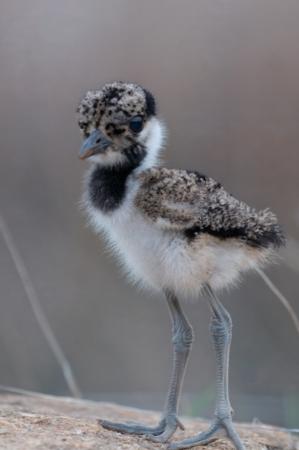

In May, the water levels in Bhadra drop and in the process expose three or four islands that have become a favored nesting location for thousands of River Terns. On this trip we spent a large majority of our boat safari time we parked by these islands and got to experience the frantic lives of these new parents. These are a few glimpses.
Friday, 5th June, 2026
River Terns Of Bhadra
A day in the life of river terns
River Tern (Sterna aurantia)
May-Jun is the time for breeding and at this time of the year, the island is covered by fledglings of all sizes while the parents fly sorties between the water and the island.
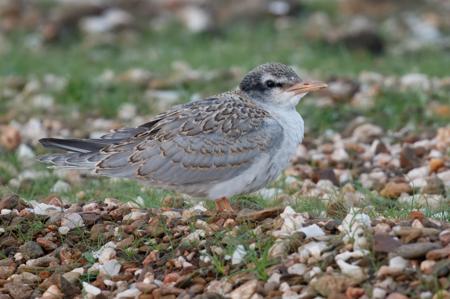
As you approach the islands in the mornings the first thing that hits you is the cacophony. What seems like an orderless melee resolves itself into mostly the adults trying to feed the insatiable fledglings. The young ones continuously call out to their parents.
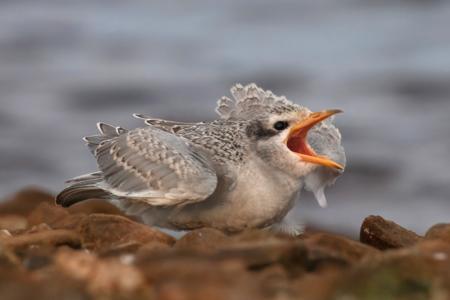
The adults do continuous deliveries of freshly caught fish from the reservoir.
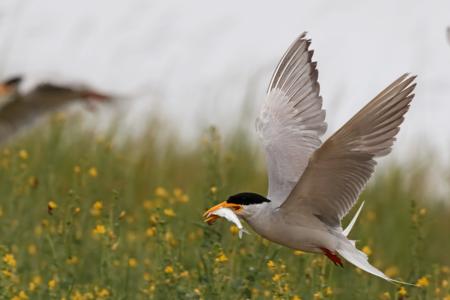
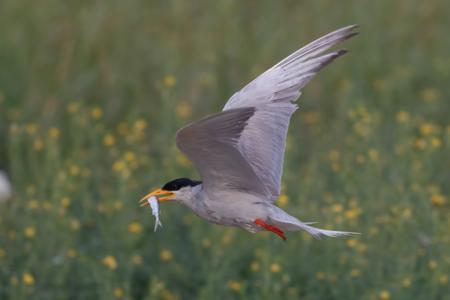
Before they feed the chicks, though, they take the catch to the water, wash it first, and then fly back to their nest with it.
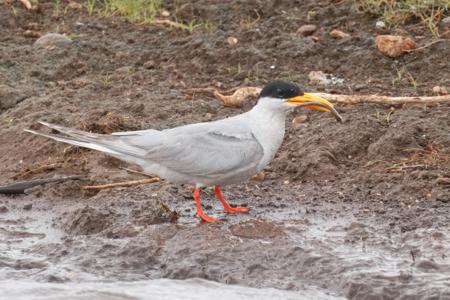
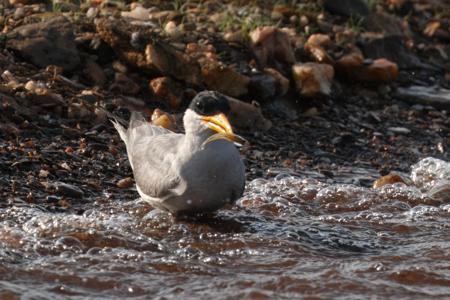
...and then it's feeding time.
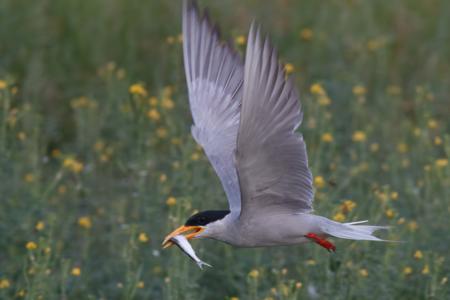
If the chick is really young, there's also time for some caretaking and grooming. Sometimes the parents chaperone the kids to the edge of the water so that they could have a sip.
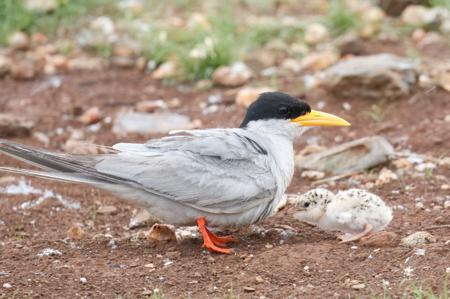
And some times the kids just wanted to cuddle.
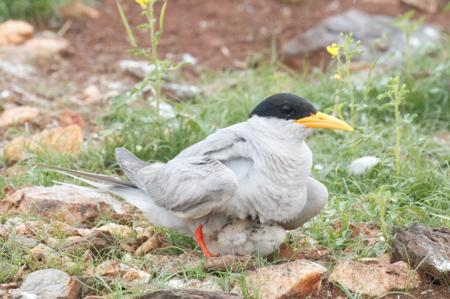
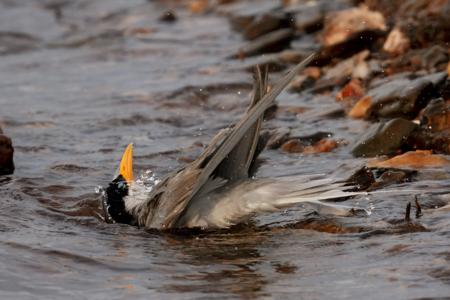
In between the feeding some of the terns also had some time for self-care.
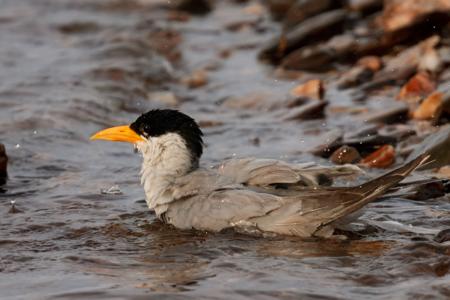
A quick bath and then off to fish again.
Black-headed Ibis (Threskiornis melanocephalus)
Such a concentration of vulnerable young ones attracts the opportunists. This Ibis was picking off the tern chicks that come to the water's edge.
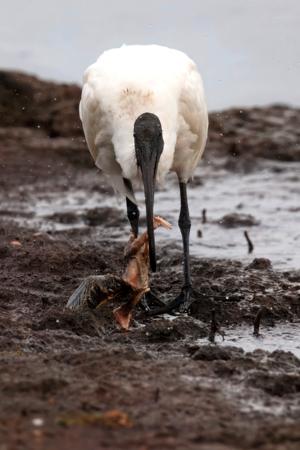
The glut can lead you to chew more than you can swallow.
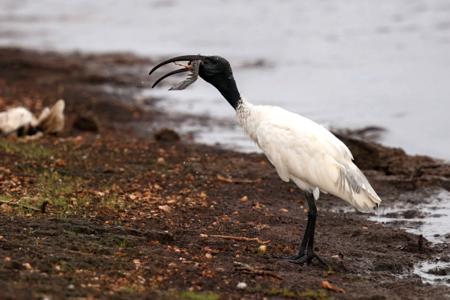
Others...
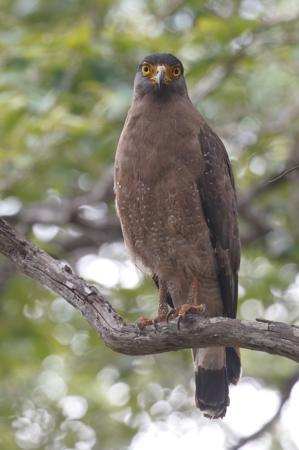
Crested Serpent Eagle (Spilornis cheela)
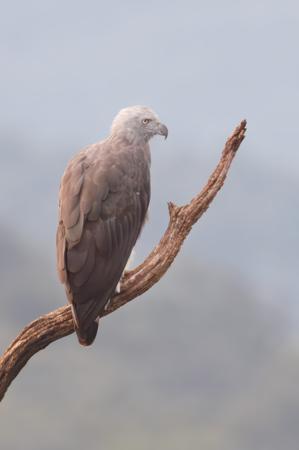
Lesser Fishing Eagle (Ichthyophaga humilis)
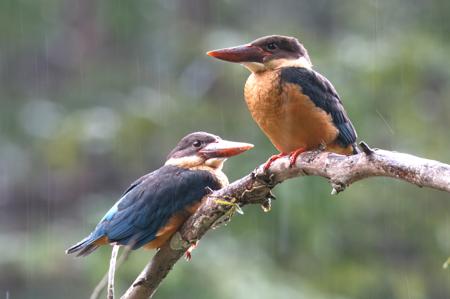
Stork-billed Kingfisher (Pelargopsis capensis)
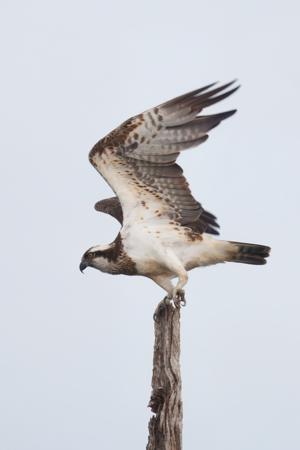
Osprey (Pandion haliaetus)
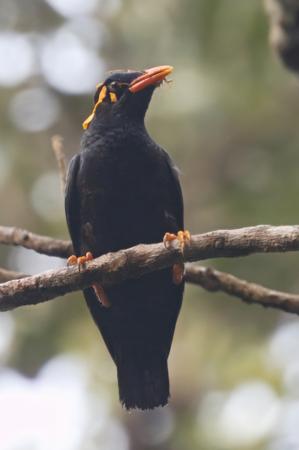
Southern Hill Myna (Gracula indica)
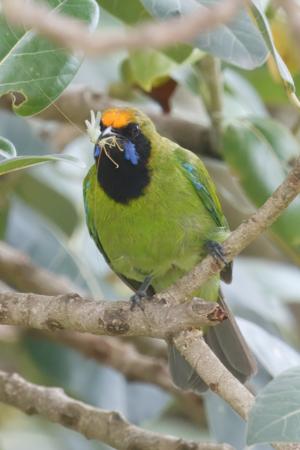
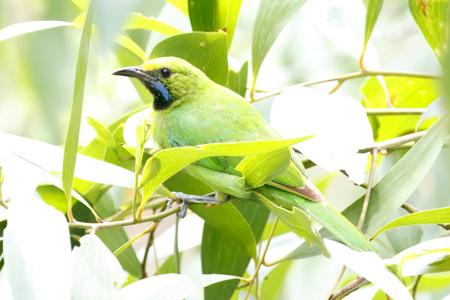
Golden-fronted Leafbird (Chloropsis aurifrons)
Red-wattled Lapwing (Vanellus indicus)